


 0
0 Created: Jan 12,2026 | Grow a Garden
Grow a Garden: What the Dev Shake-Up Really Means?

We've all felt it: Grow a Garden doesn't play like it used to. The vibe shifted from a gardening game with events into events with a gardening skin. When core developers step away and a new leadership structure takes over, the game doesn't just change direction—it changes incentives.
- 1) What Changed?
- The clearest player-side signals we can observe
- 2) Why Updates Started Feeling Thinner?
- The operational reasons this happens
- A quick reality check we use as players
- 3) What's Rumor vs. What's Actionable
- Evidence tiers we trust (as a player strategy)
- 4) Stabilization vs Extraction
- Path A: Stabilization (quality rises)
- Path B: Extraction (monetization rises, quality stagnates)
- How we can tell which path we're on (within 2–3 weeks)
- 5) What This Means for Us?
- 5.1 Spending rules (Robux protection)
- 5.2 Grind rules (time protection)
- 5.3 Interpreting good admin abuse and flashy restocks
- 6) Why They Feel Bad?
- Why nerfs trigger backlash
- When a nerf is actually good for the game
- Our rule of thumb
- 7) Weekly Checklist
- FAQ
- 1) Should we quit Grow a Garden right now?
- 2) How do we judge whether the new leadership is good or bad?
- 3) Is heavy monetization always a sign the game is dying?
- 4) Are reskinned pets always bad?
- 5) What's the safest way to spend during unstable updates?
Let's unpack what's happening in a way that's actually useful: what we can verify through observable signals, what we should treat as rumor, why the quality dip makes sense operationally, and—most importantly—how we can adapt our play so we don't waste time or Robux.
1) What Changed?
Big dev transitions usually hit players in three places: update cadence, content depth, and monetization pressure. Even without internal access, we can still read the game like a dashboard.
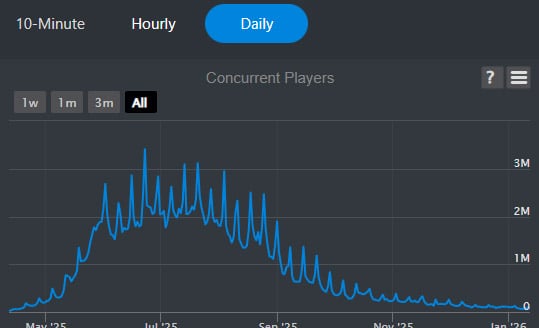
The clearest player-side signals we can observe
- Lower concurrency (CCU) than its peak: we've seen the talk shift from top of Roblox to figures hovering far lower (e.g., conversations around dropping under ~100K and nearing ~50K). Whether the exact number fluctuates daily, the direction players feel is consistent: downward trend.
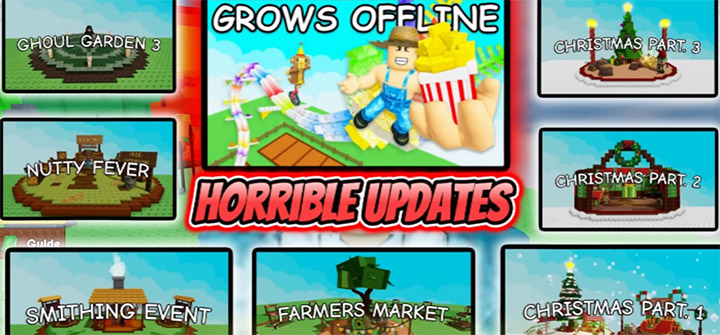
- Event design shrinking: fewer reward types, simpler quest loops, more reskins, weaker or repetitive abilities.
- Shop behavior becoming more aggressive: more premium items live at once, more limited items cycling, and more must-buy-now pressure.
Why does this matter? Because design tells you what the leadership is optimizing for: retention through deep systems, or revenue through high-frequency offers.
2) Why Updates Started Feeling Thinner?
We've tested a lot of Roblox live-service games over the years, and the pattern repeats: when leadership changes or teams clash, content gets shallow fast.
The operational reasons this happens
1. Testing becomes performative instead of corrective
If testers get ignored or removed for criticism, the feedback loop breaks.
Because of that, problems ship. Then the team spends the next week patching instead of building.
2. Holiday gaps expose weak production planning
If there isn't a content backlog before a break, you get map shop updates or low-effort event scaffolds.
That's not a moral failing; it's a pipeline failure.
3. Monetization ramps when growth slows
When CCU declines, revenue pressure rises. The fastest lever is the shop:
- more premium eggs simultaneously
- more packs
- more limited-time rotations
It works short-term, but it can burn long-term trust.
A quick reality check we use as players
If an event can be completed with the easiest brainless quests and rewards feel like cosmetic reskins, then the update is functioning more as a monetization and engagement vehicle than a new gameplay layer.
3) What's Rumor vs. What's Actionable
Community drama can be loud, and some claims are serious. Here's the stance that keeps us rational:
- We don't need to prove every allegation to protect ourselves.
- We only need to watch the observable behaviors that affect gameplay and spending.
Evidence tiers we trust (as a player strategy)
| Evidence Tier | What It Looks Like | How We Use It |
|---|---|---|
| High confidence | In-game systems, shop rotations, patch results, official group roles | Base our spending and grind decisions on this |
| Medium confidence | Consistent reports across multiple longtime testers/creators | Treat as risk signals, not facts |
| Low confidence | Single screenshots, anonymous claims, personal attacks | Ignore for decision-making |
This means we can stay calm: we're not here to run a courtroom—we're here to play smart.
4) Stabilization vs Extraction
When one leadership group becomes the clear driver, we usually see one of two outcomes.
Path A: Stabilization (quality rises)
This happens when leadership realizes numbers are sliding and chooses to rebuild trust:
- clearer communication
- deeper events
- fewer reskins, more mechanics
- testing loop respected again
Path B: Extraction (monetization rises, quality stagnates)
This happens when leadership treats the remaining playerbase as a wallet:
- more packs, more FOMO
- repetitive events
- balance changes that increase grind unless you pay
How we can tell which path we're on (within 2–3 weeks)
| Signal | Stabilization | Extraction |
|---|---|---|
| Event structure | New mechanics, meaningful choices | Same quest loop, new paint job |
| Rewards | Abilities that change gameplay | Mostly reskins, minor stats |
| Communication | Timely announcements, clarity | Silence, vague drops |
| Shop | Fewer stacked premium offers | Multiple premium items at once |
| Balance changes | Transparent and fair | Nerf pain without clarity |
If you're watching only one thing, watch communication + event depth. That combination is hard to fake.
5) What This Means for Us?
We don't control ownership. We control time, Robux, and attention. Here's how we play the transition phase without regret.
5.1 Spending rules (Robux protection)
If you notice multiple premium eggs/packs stacked simultaneously, then we treat the shop as high pressure mode and pause impulse buys for 72 hours.
Why? Because the best counter to FOMO is time. Most rotations repeat.
If a reward is mainly a reskin and the ability doesn't open new strategies, then we skip and bank currency for the first genuinely new mechanic.
5.2 Grind rules (time protection)
If the event loop is same quests, different coin, then we do minimum viable participation:
1. complete only the tasks with best time-to-reward
2. stop once marginal rewards flatten
3. move to your main progression route (or another game)
This is how we keep the game from turning into a second job with carrots.
5.3 Interpreting good admin abuse and flashy restocks
Occasional big restocks can be fun and may indicate a more engaged live-ops approach. But we don't confuse one generous session with a systems-level turnaround.
If you see a big restock, enjoy it—then still evaluate the next update's depth and communication.
6) Why They Feel Bad?
We've been on both sides of this debate in Roblox economy games.
Why nerfs trigger backlash
- Players build a routine: hatch fast, collect fast, feel powerful fast.
- When scaling changes, it feels like the game is taking something away, even if the cap remains.
When a nerf is actually good for the game
If a rare pet can be effectively guaranteed within an hour of an update (with stacked multipliers), then rarity collapses.
That destroys:
- trading value (if the game has it)
- progression pacing
- the excitement of I finally got it
Our rule of thumb
If you find that:
- rarity still exists, but
- progress still feels possible without paying,
then the nerf is painful but healthy.
If you find that:
- nerfs increase grind sharply, and
- the shop offers the solution,
then it's not balance—it's conversion design.
7) Weekly Checklist
Here's the checklist we run every weekly update cycle:
| Check | What We Look For | What We Do |
|---|---|---|
| Patch depth | New mechanics vs. reskins | Spend time only if mechanics change play |
| Announcement quality | Clear schedule + details | If unclear, delay spending and grinding |
| Reward utility | Do rewards unlock new strategies? | If no, collect minimal and stop |
| Monetization intensity | Pack stacking, limited reruns | Freeze buys; wait for community testing |
| Fun-per-minute | Are we thinking or just clicking? | If it's clicking, we rotate games |
This keeps us in control even when the game isn't.
FAQ
1) Should we quit Grow a Garden right now?
Not automatically. If you still enjoy the core loop, we stay—but we switch to low-commitment mode until we see 2–3 consecutive high-quality updates. If you feel the game is mostly repetitive events, then rotating to another game protects your time.
2) How do we judge whether the new leadership is good or bad?
We judge outputs, not personalities:
- Are updates deeper?
- Is communication consistent?
- Does monetization feel optional or mandatory?
If the answers trend positive for multiple weeks, leadership is functioning.
3) Is heavy monetization always a sign the game is dying?
No. Monetization is normal in Roblox. The red flag is stacking pressure:
- multiple premium offers live simultaneously
- limited items returning in ways that break earlier expectations
- balance changes that conveniently sell relief
That pattern correlates strongly with extraction mode.
4) Are reskinned pets always bad?
Not always. Reskins can be fine if they:
- introduce meaningful abilities,
- create new team compositions,
- or support a new mechanic.
If they're reskins and the abilities are weak, then they're mostly filler.
5) What's the safest way to spend during unstable updates?
We spend only after:
1. community tests confirm value,
2. we understand the odds/utility,
3. and the item supports a long-term strategy.
If you can't explain how it improves your gameplay in one sentence, you probably don't need it.
Finally
Grow a Garden's current slump makes sense when we look at it like a live-service operation: leadership shifts disrupt feedback loops, thin out content, and often trigger monetization pressure. The smart move for us is to stop betting on promises and start reacting to observable signals—event depth, communication consistency, and shop intensity.
If you find the updates getting deeper and the game communicating clearly, then we can lean back in. If you find repetitive events and stacked premium pressure, then we play lightly, protect Robux, and keep our main grind energy for games that reward thinking—not just clicking.
```


The GGWTB Editorial Team features 10 full-time gaming editors and 23 specialist contributors, delivering hands-on tested walkthroughs, easter egg breakdowns, and game updates.
Jordan — who spearheads our in-depth Grow a Garden, Steal a Brainrot guides, and patch notes—every guide is rigorously verified on live servers for accuracy.
Most Popular Posts
- Grow a Garden Clam Event Guide: Tide Tokens, Coastal Eggs & Best Summer Update 2 Strategy
- Grow a Garden Planting Trick Guide: Best Tomato Method, High Tide Radar Leak, Rewards
- Grow a Garden Secret Badge Walkthrough: Carrot Weight & Puzzle Guide
- Grow a Garden Get Secret Seeds & Rare Pets Guides: DLC Codes + Trading Guide
- Grow a Garden Moon Harvest Part 4 Guide: Gear Odds, Reset Rewards, Cornling Strategy, New Seeds
- Grow a Garden Enfield Guide: Everfallen Roll Rules & Level Loss
Popular Category Lists
- ARC Raiders / (343)
- Grow a Garden / (292)
- CoD: Black Ops 7 / (167)
- Star Citizen / (160)
- MLB 26 / (159)
- Monopoly Go / (152)
- ARK Survival Ascended / (126)
- Steal a Brainrot / (98)
- Blox Fruits / (74)
- Adopt Me / (73)
- Forza Horizon 6 / (72)
- Sailor Piece / (68)
- Grow a Garden 2 / (68)
- Diablo IV / (62)
- CoD: BLACK OPS 6 / (55)
- Path of Exile 2 / (48)
- Monster Hunter Wilds / (46)
- Aion 2 / (45)
- Windrose / (44)
- Donut SMP / (41)