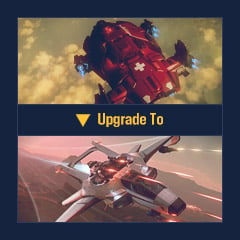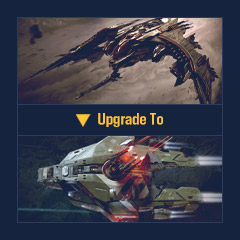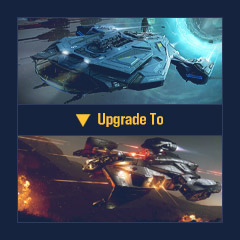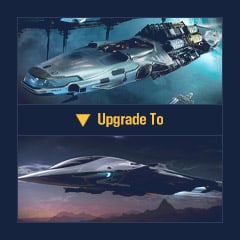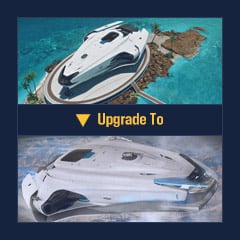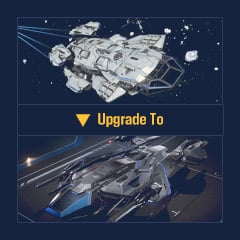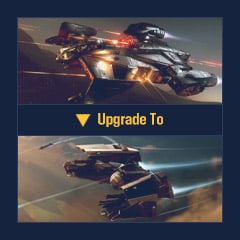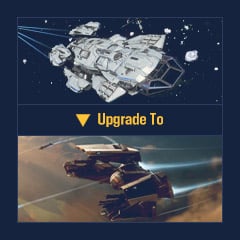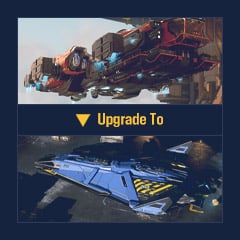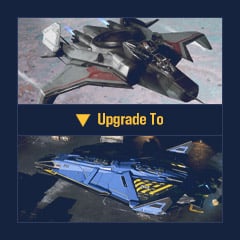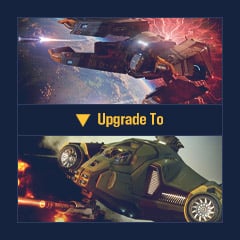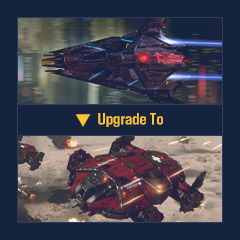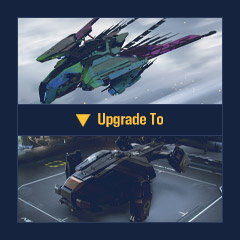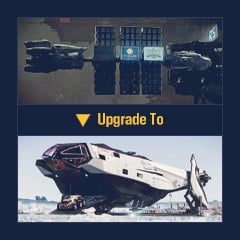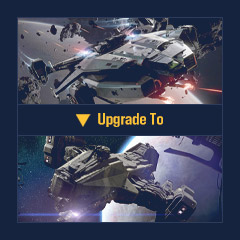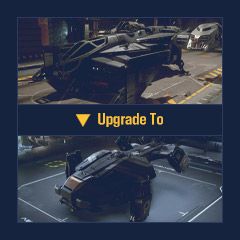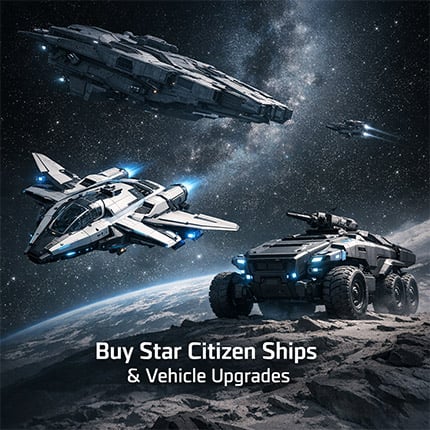
If you already own a ship in Star Citizen, buying a CCU is usually one of the smartest ways to upgrade your fleet without overspending. Instead of paying full price for a new ship, you only pay the difference between what you have and what you want next.
That is why many players use CCUs for long-term fleet planning. It is cheaper in many cases, more flexible, and especially useful if your current ship already has LTI. The key is knowing how the path works before you buy, because most mistakes happen when players rush the upgrade chain.
What Is a Star Citizen CCU?
A CCU (Cross-Chassis Upgrade) lets you turn one ship into another by paying the price difference.
For example, if you own an Aurora MR and want a Cutlass Black, you can buy the upgrade instead of buying the Cutlass Black as a full standalone ship.
Why players use CCUs
- Lower upfront cost
- More flexible fleet planning
- Useful for upgrading from starter ships
- Can preserve LTI from the base ship
In real player use, that last point matters a lot. Many experienced buyers do not start with their dream ship. They start with a good base and build toward it over time.
Why CCUs Are Worth It
For most players, the appeal is simple: better value with more control.
Direct ship purchase vs CCU
| Option | Best For | Main Benefit |
|---|
| Buy ship directly | Fast purchase, no planning | Simple and immediate |
| Buy a CCU | Players who already own a ship | Pay only the value difference |
| Stack CCUs | Long-term planners | More flexible upgrade path |
If you are still figuring out whether you enjoy combat, cargo, mining, or exploration, CCUs make more sense than locking yourself into one expensive ship too early.
How CCUs Work in Practice
The system is easy once you understand one rule: the source ship must match the upgrade path exactly.
Basic process
1. Buy the correct CCU
2. Receive it through the RSI gift system
3. Claim it on your RSI account
4. Find it in My Hangar
5. Apply it to the correct source ship
Once applied, your old ship is replaced by the upgraded one.
Common player mistake
The biggest mistake is buying the wrong source-to-target upgrade. From actual support patterns, this is where most avoidable problems come from, not delivery itself.
Can You Stack Multiple CCUs?
Yes, and many players do exactly that.
Instead of making one large jump, you can upgrade step by step:
- Mustang Alpha
- Avenger Titan
- Cutlass Black
- Freelancer MAX
This is called a CCU chain.
When a chain makes sense
- You want to spread spending over time
- You are waiting for better upgrade opportunities
- You are still deciding on your final ship
When to keep it simple
If you already know your target ship and there is a clean direct path, a shorter chain is usually easier and safer.
Why Buy from GGWTB
A good upgrade store should do more than list ships. It should help you avoid bad purchases.
GGWTB focuses on the parts buyers care about most:
- Clear upgrade options
- Competitive pricing
- Buyer protection
- Support for delivery and compatibility questions
- Practical access to ship and vehicle upgrades
From a buyer's perspective, that matters because the real friction usually starts after checkout: claiming the gift, checking compatibility, and making sure you do not apply the wrong CCU.
What matters most before buying
| What to Check | Why It Matters |
|---|
| Source ship | Must match the CCU exactly |
| Target ship | Confirms the final upgrade result |
| Insurance | LTI can carry over from the base ship |
| Flight-ready status | Some ships may come with a loaner |
| Melt value | Important if you may exchange later |
Important Things to Know Before You Buy
This is where experienced players usually slow down for a minute.
LTI stays valuable
If your base ship has Lifetime Insurance, the upgraded ship can keep it. That is one of the biggest reasons players plan upgrades instead of buying standalone ships every time.
Melt value is not the same as what the ship feels worth
Your melt value is based on the original ship plus the CCU value. If you think you may restructure your fleet later, this matters.
You usually cannot downgrade through CCU
If you want a cheaper ship later, you will normally need to melt and rebuy.
Some ships are not flight-ready yet
If a ship is not currently usable in-game, you may receive a loaner until it becomes available. Always check this before buying.
FPS gear works differently
Armor, weapons, and carryable items can be lost on death. Recovery rules are separate from ship ownership and are usually tied to future patch behavior or game systems.
Visuals can change
Star Citizen is still in development, so ship images and renders are for reference. In-game appearance may change over time.
Frequently Asked Questions (FAQ)
What is a CCU in Star Citizen?
A CCU is a ship upgrade that lets you move from one ship to another by paying only the price difference.
Do I keep LTI after upgrading?
Yes, if your base ship includes LTI, that insurance usually carries over.
Is a CCU cheaper than buying a new ship?
Often yes. It depends on what ship you already own and what you are upgrading to.
Can I use more than one CCU?
Yes. You can stack multiple CCUs in a chain as long as each step connects correctly.
What happens after I buy?
You receive the upgrade, claim it through RSI, and apply it in My Hangar.
Can I downgrade a ship?
Not through a normal CCU path. In most cases, you need to melt the ship and buy again.
What if the ship is not available in game yet?
You may receive a loaner ship until the final ship becomes flight-ready.
Final Thoughts
If you already own a ship and plan to upgrade over time, CCUs are usually the most practical path. They give you more flexibility, better cost control, and a cleaner way to grow your fleet without committing to a full-price ship every time.
The smart move is to treat each upgrade like part of a longer plan. Check the source ship, confirm the target, understand what happens to insurance, and only then apply it. That is how most experienced players avoid expensive mistakes and get more value out of their fleet.




 0
0