


 0
0 Created: Dec 19,2025 | Ashes of Creation
How to Pick Main Ashes of Creation Class Archetype Without Regret?

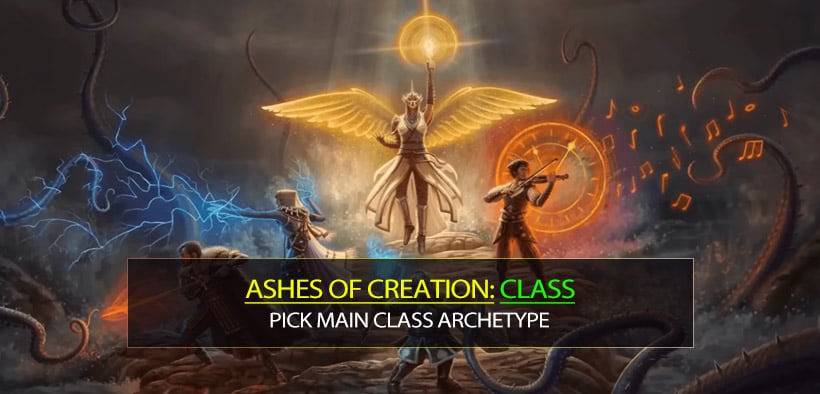
Picking a main Class in Ashes of Creation is less about chasing the strongest archetype and more about choosing a play pattern you'll still enjoy after 50 hours—when the novelty fades and the penalties for mistakes start to bite.
- The Decision Backbone: Archetypes vs. the 64-Class System
- What you lock in (and what you don't)
- A quick mental model (how to think about secondaries)
- A Fast Matchmaker: Which Archetype Fits You?
- Preference → Best-fit
- Archetype Breakdown (Practical Pros/Cons + What They Feel Like)
- Summoner — The Flexible Attrition Specialist
- Fighter — The Momentum Snowball Juggernaut
- Tank — The High-Responsibility Frontliner
- Mage — Elemental Rotations and Status Combos
- Rogue — True Stealth, Real Utility, Real Escapes
- Ranger — Ranged Physical Pressure + Traps and Roots
- Bard — Support That Secretly Does Everything
- Cleric — The Primary Healer (and a 1v1 Problem)
- Quick Picks by Playstyle (Solo / PvE / PvP)
- Best-feeling mains by activity
- My Practical Pick Your Main Checklist (5 minutes)
- FAQ
- 1) Is there a best archetype to main?
- 2) If secondary archetypes can change, why stress about the primary?
- 3) I play mostly solo but still want to be useful in groups—what should I pick?
- 4) Why does Tank feel so dependent compared to other archetypes?
- 5) I hate downtime. Which archetype minimizes stop and eat moments?
- Closing Takeaways
I've spent a lot of hands-on time testing the current archetypes in real group pulls, messy open-world skirmishes, and the kind of solo grinding that exposes sustain issues fast. Below is the decision framework I wish I had on day one: how the 64-class system affects commitment, what each archetype really feels like in practice, and a set of tables that map your preferences to a confident main pick.
The Decision Backbone: Archetypes vs. the 64-Class System
The smartest way to choose your main is to separate what's permanent from what's flexible.
What you lock in (and what you don't)
- Primary archetype is permanent. This is your identity: Tank, Summoner, Rogue, Ranger, Mage, Fighter, Cleric, Bard.
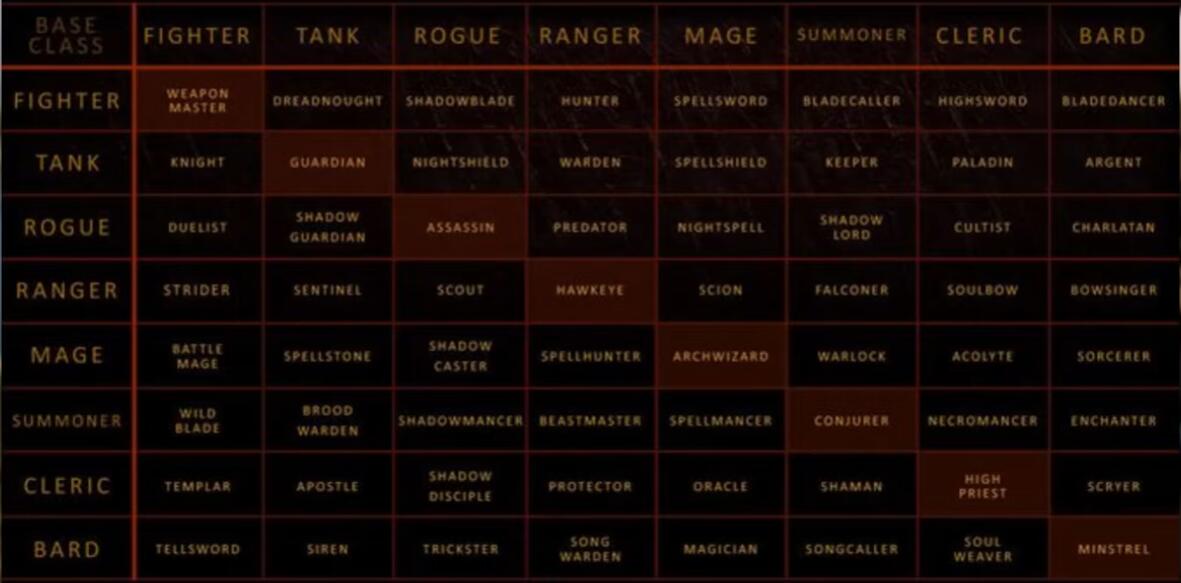
- Secondary archetype is adjustable (later). This is where the 64 classes come from: 8 primaries × 8 secondaries.
- Practically, the secondary archetype tends to augment your existing kit rather than give a brand-new action bar.
Why does this matter? Because it changes your risk. Choosing a primary archetype is a long-term marriage; choosing a secondary is closer to moving furniture around in the same house.
A quick mental model (how to think about secondaries)
When secondaries arrive, expect changes in three main categories:
| What Changes | Typical Outcome | What It Means for Your Main Pick |
|---|---|---|
| Skill augments | A dash becomes a blink; a bleed becomes a heal-on-damage | Pick a primary whose core loop you love |
| Role elasticity | Off-heal/off-tank options become real | If you hate hard-queue roles, choose flexible primaries |
| Utility flavor | More CC, mobility, sustain, or debuffs | Your secondary can fix weaknesses, not personality |
If you discover you love pet micromanagement or stance swapping, that's primary-archetype DNA. A secondary won't rewrite that.
A Fast Matchmaker: Which Archetype Fits You?
Here's the fastest way to narrow it down without overthinking.
Preference → Best-fit
Use this like a mirror: read the left column and notice what you naturally gravitate toward.
| If you enjoy… | Main archetype(s) that usually fit | Trade-off you must accept |
|---|---|---|
| Winning through sustain + control, not pure burst | Summoner, Bard, Cleric | You'll manage resources/uptimes more than press big crit |
| Being the frontline decision-maker | Tank, sometimes Fighter | You will be blamed for pulls—and sometimes fairly |
| High mobility, picks, and escape routes | Rogue, Ranger | Your mistakes are punished hard when cooldowns are down |
| Big ranged AoE and status combos | Mage | Positioning matters; if you're caught, you feel it |
| Solo grinding with minimal downtime | Fighter, Summoner, Bard | You'll be tempted to overpull; don't (death debt is real) |
| I like being needed in every group | Cleric, Tank, Bard | Social pressure: you're a role, not just a player |
If you read two rows and think that's me, pick the archetype that appears more often. This means your main aligns with your default behavior.
Archetype Breakdown (Practical Pros/Cons + What They Feel Like)
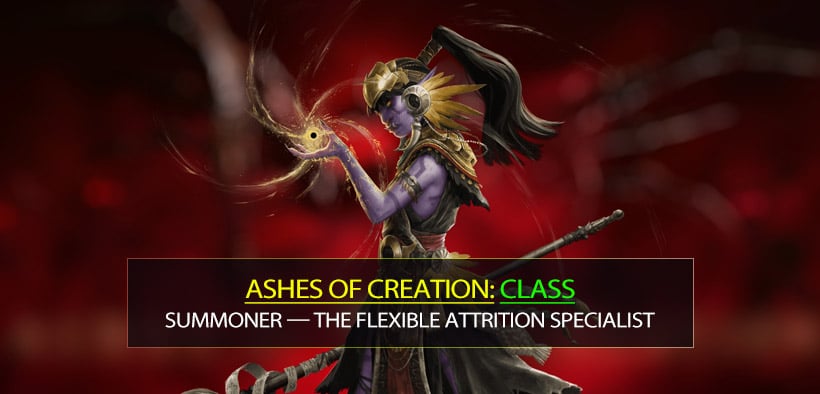
Summoner — The Flexible Attrition Specialist
Summoner is the newest-feeling toolkit: a pet-driven controller with real tactical buttons, not an autopilot minion class.
What it's good at
- Role patching: DPS with options to off-tank or off-heal via pet choice.
- Attrition wins: DoTs, silence pressure, and resource trades can grind opponents down.
- Interactive pet play: commanding blocks, positioning, and swaps creates outplay moments.
What will frustrate you
Pet swap penalty: unsummoning or losing a pet stacks a debuff that reduces pet healing/damage by 20% per stack for 60 seconds.
This means you can't treat pets like disposable cooldowns.
Essence management: you'll feel weaker if you don't weave weapon combos and keep essence flowing.
The this is what it feels like moment
In solo play, I found the tank pet dramatically reduces risk: taunt + stomp threat generation + timed blocking turns hard mobs into manageable puzzles. The DPS pet is strong, but the tank pet tends to make your leveling curve smoother because it forgives mistakes.
Choose Summoner if you like control, uptime, and strategic positioning.
Avoid Summoner if you want simple burst rotations and hate managing an extra unit.
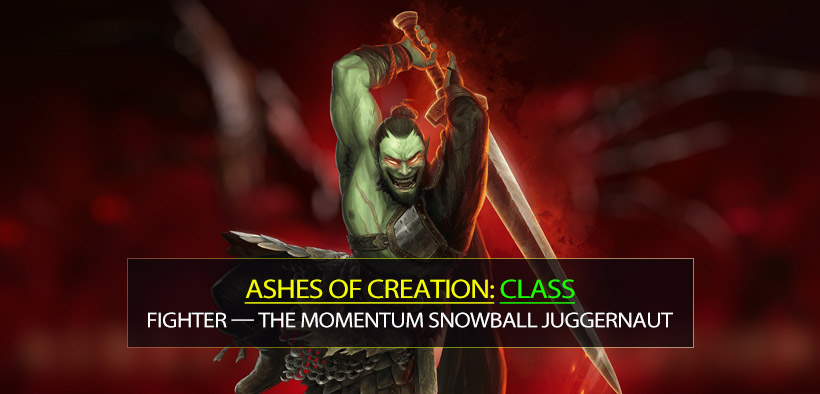
Fighter — The Momentum Snowball Juggernaut
Fighter is the archetype that rewards good decision-making in motion. The kit is designed so you get stronger as a fight extends—if you don't panic-spend your advantages.
What it's good at
- Sustained melee DPS with bleeds and healing reduction (wounds).
- High mobility and reliable gap closers.
- Self-sustain: damage-to-heal windows can fully swing fights.
- Resource comfort: fighters tend to feel less mana-starved while grinding.
What will frustrate you
- Form mastery: you're meant to switch forms (stances) intelligently. If you ignore that, you're leaving power on the table.
- Overconfidence: the kit can bait you into 1vX scenarios you shouldn't take.
A practical example (why people love it solo)
There's a specific kind of fighter moment: you're low, fighting multiple mobs, and you time your healing-through-damage window correctly—suddenly your health and mana snap back and you keep going without resting. That's not just power; it's tempo. It means faster leveling and fewer sit and eat breaks.
Choose Fighter if you like aggressive tempo and you enjoy learning a kit with internal synergies.
Avoid Fighter if you dislike melee commitment and managing stance-based decisions.
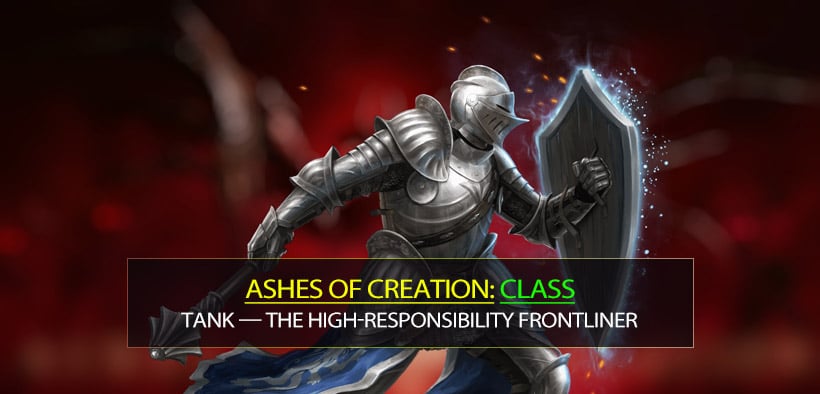
Tank — The High-Responsibility Frontliner
Tank in Ashes is not a cosmetic role. It's the archetype built around mitigation, threat control, and team damage shaping.
What it's good at
- Threat and aggro control: built-in increased threat generation plus threat-heavy skills.
- Mitigation stacking: defensive windows matter; you feel meaningfully sturdier when you play well.
- Team protection tools: walls, shields, intercept-style saves.
What will frustrate you
- Your mistakes cost the group: in a game with death penalties and XP debt, a bad pull isn't oops, it's we're paying for this.
- Lower personal DPS: you're winning by enabling others, not topping meters.
Why Tank isn't called Healer, and Cleric isn't called Healer
Naming reflects identity, not just role. Cleric implies a kit that includes life/death themes (heals, prevents death, resurrects, some damage). Tank is blunt because its job is blunt: control attention and survive. In practice, you'll still see off-tanks and hybrid supports later via secondaries, but the primary name signals the archetype's core promise.
Choose Tank if you enjoy leadership-by-positioning and you're comfortable being the first one blamed.
Avoid Tank if you hate being dependent on heals or dislike being the pace-setter.
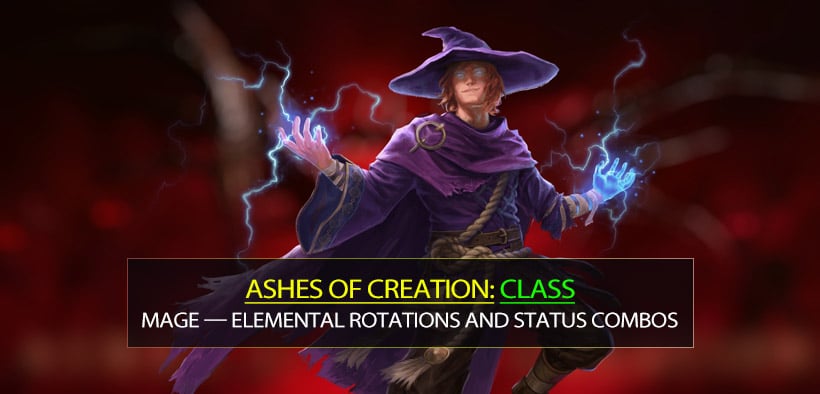
Mage — Elemental Rotations and Status Combos
Mage is classic ranged magic DPS with a modern twist: status interplay that rewards sequencing.
What it's good at
- Burst windows + AoE: excellent for group fights where targets cluster.
- Elemental empowerment: your last element used changes your finisher effects (burning, chilled/frozen, volatile).
- Mobility tool: blink-style repositioning keeps you alive when played well.
What will frustrate you
- Positioning tax: you're powerful until you're caught.
- Rotation discipline: mages who freestyle randomly lose a lot of combo value.
What it means in PvP
If you discover you like creating setups (freeze → punish, debuff → detonate), mage will feel like chess. If you want I press three buttons and delete, you may feel inconsistent.
Choose Mage if you enjoy planned rotations and high-impact AoE.
Avoid Mage if you dislike being punished for poor spacing.
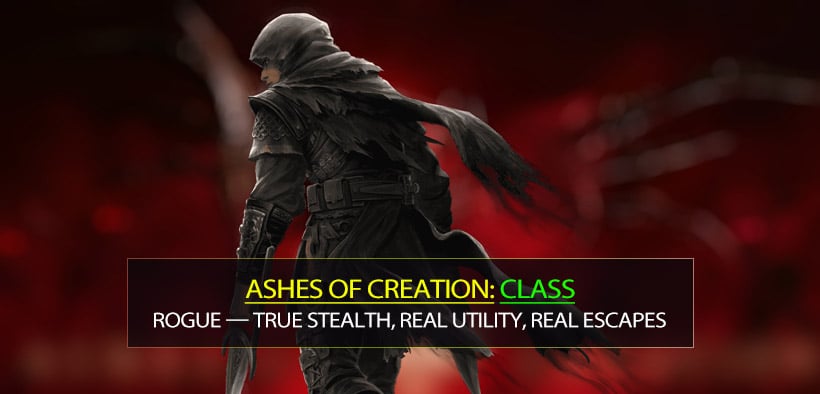
Rogue — True Stealth, Real Utility, Real Escapes
Rogue is built around invisibility with rules, plus tools that make you a menace beyond raw damage.
What it's good at
- True stealth gameplay with line-of-sight nuance (better from flanks).
- Pick potential: sleep, smoke, gap-close behind targets, and exit plans.
- Toolbelt fantasy: darts, caltrops, poisons, grappling traversal.
What will frustrate you
- Execution requirement: you need clean engages. If your opener fails, your margin shrinks fast.
- Anti-stealth exists: detection tools mean you can't treat stealth as invulnerability.
The experience that sells the archetype
When I'm testing rogue in open-world chaos, the win condition isn't always killing someone—it's choosing when the fight is allowed to happen. Grapple mobility + stealth reset mechanics make rogue feel like you're editing the battlefield.
Choose Rogue if you love control over engagement and high mobility.
Avoid Rogue if you prefer front-to-back teamfighting or hate ambush play.
Ranger — Ranged Physical Pressure + Traps and Roots
Ranger is about creating space and punishing people for trying to close it.
What it's good at
- Long-range single-target pressure and execute-style shots.
- Control tools: immobilizes, snares, fields that ruin enemy movement.
- Hunts/marks: flexible buffs/debuffs usable during animations (very practical).
What will frustrate you
- Melee contact feels bad: if you mismanage disengage tools, you suffer.
- Aim/tempo dependency: missing key windows or misplacing control is expensive.
Choose Ranger if you like kiting, traps, and battlefield control from range.
Avoid Ranger if you want brawling or dislike managing spacing constantly.
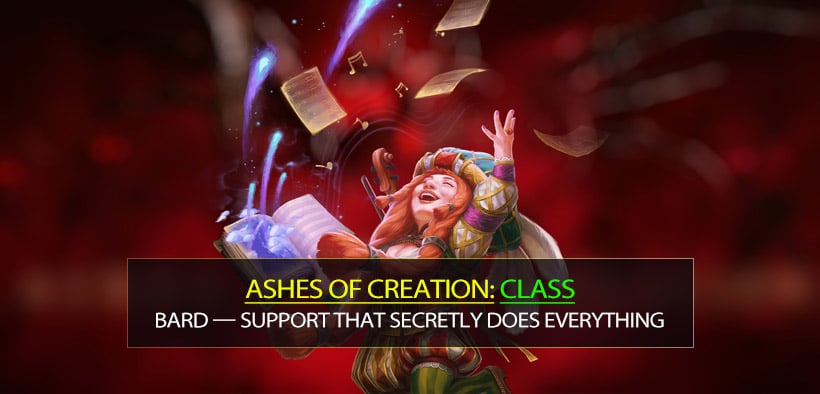
Bard — Support That Secretly Does Everything
Bard is the if you know, you know archetype: it can speed, shield, heal, control, and sustain—often at the same time.
What it's good at
- Party sustain (especially mana) and quality-of-life in long grinds.
- Crowd control timings: you can win fights by denying actions, not by out-damaging.
- High skill ceiling: better bards feel like a different class entirely.
What will frustrate you
- Mental load: melodies, resonance-style choices, CC windows—there's always something to optimize.
- Not a pure healer: you'll save runs, but you won't replace a dedicated cleric in hard content.
Choose Bard if you like being the reason a party feels unstoppable.
Avoid Bard if you want a simple rotation or hate support responsibility.
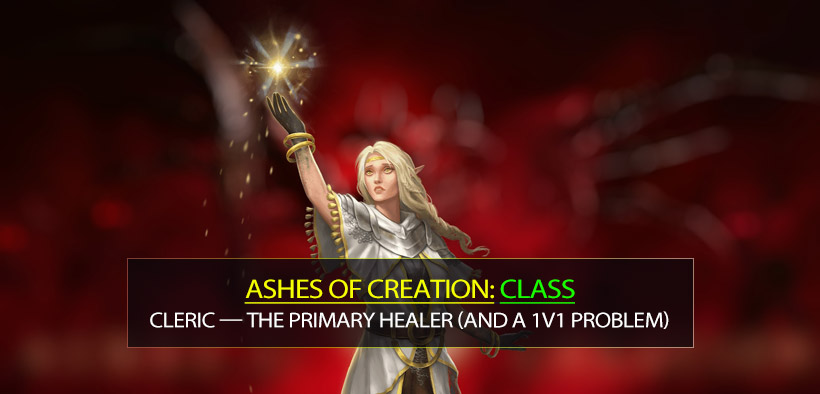
Cleric — The Primary Healer (and a 1v1 Problem)
Cleric is the archetype that turns death penalties from catastrophic into recoverable, thanks to powerful healing and resurrection.
What it's good at
- The most reliable healing throughput.
- Resurrection utility: huge time saver in deep content.
- Strong dueling durability: if enemies lack healing reduction and mana pressure, you can outlast them.
What will frustrate you
- Responsibility overload: you're managing health bars, resource choices, and positioning.
- Mana and cast timing: you must choose between efficiency and emergency response.
A real decision point that matters
Cleric kits typically include a meaningful choice between:
- spending an archetype resource to make casts instant (safer reaction healing), or
- shifting costs away from mana/health into that resource (better sustain).
If you discover you enjoy triage—who dies in 2 seconds if I don't act—cleric will click.
Choose Cleric if you like high-impact support and being essential.
Avoid Cleric if you want low-stress play or hate being the lynchpin.
Quick Picks by Playstyle (Solo / PvE / PvP)
Here's a more tactical lens: what tends to feel best in each environment.
Best-feeling mains by activity
| Activity | Archetypes Strong | Why |
|---|---|---|
| Solo leveling/grinding | Fighter, Summoner, Bard | Sustain + low downtime + control tools |
| Dungeon groups (steady) | Tank, Cleric, Bard | Core roles + sustain and recovery |
| Small-scale PvP | Rogue, Ranger, Fighter, Summoner | Picks, mobility, tempo swings |
| Large-scale PvP | Mage, Ranger, Bard, Tank | AoE control, backline pressure, frontline shaping |
This doesn't mean best in slot forever. It means: if you want a main that feels good most days, these align well with their environments.
My Practical Pick Your Main Checklist (5 minutes)
If you want a clean decision, run this:
1. Do you want to set the pace or react to it?
- If you want to set it: Tank / Fighter
- If you want to react and control: Bard / Summoner / Rogue
2. Can you tolerate responsibility pressure?
- High tolerance: Tank, Cleric, Bard
- Low tolerance: Mage, Ranger, Fighter (still pressure, but different)
3. Do you enjoy managing extra systems (pets, songs, forms)?
- Yes: Summoner, Bard, Fighter
- No: Ranger, Mage (more rotation/position than subsystem)
4. What failure feels acceptable to you?
- I mispositioned and died (Mage/Ranger)
- I pulled wrong and wiped the group (Tank/Cleric)
Pick the failure you can emotionally afford.
5. Choose the primary that matches your loop, not your fantasy.
Fantasy fades. Loops remain.
FAQ
1) Is there a best archetype to main?
Not in a way that stays true across patches and content types. The better question is: which archetype stays fun when you're tired, undergeared, or playing with imperfect teammates. That's usually your real main.
2) If secondary archetypes can change, why stress about the primary?
Because the primary defines your core mechanics (resource loop, range profile, baseline role gravity). Secondaries tend to augment and specialize; they don't rewrite your muscle memory.
3) I play mostly solo but still want to be useful in groups—what should I pick?
If you discover you like being self-sufficient and group-relevant:
- Fighter (solo tempo + group DPS)
- Summoner (role patching + control)
- Bard (solo sustain + group value)
Cleric can solo, but it's a different kind of solo—more methodical, less fast grind.
4) Why does Tank feel so dependent compared to other archetypes?
Because the archetype is designed around absorbing damage and controlling threat, which assumes someone is converting your survival into progress (heals, mana support, DPS). This dependence is intentional: it's what makes group roles meaningful.
5) I hate downtime. Which archetype minimizes stop and eat moments?
In my experience, Fighter tends to feel the smoothest for continuous grinding. Summoner (tank/heal pet choices) and Bard (sustain tools) are also strong here, but require more system management.
Closing Takeaways
A good Ashes main isn't the class with the flashiest highlight reel; it's the one whose core loop you'll repeat happily: pulling, rotating, escaping, supporting, or controlling.
If you prioritize tempo and self-sustain, Fighter is a safe bet. If you want tactical flexibility and outplay via pets, Summoner shines. If you like being essential and shaping outcomes, Tank/Cleric/Bard will keep you in demand—just be ready for the responsibility that comes with that power.
Most Popular Posts
- Ashes of Creation Leveling Guide (1–25): Fast Core Route + Best Alternate Spots
- Ashes of Creation Gold Farming With Crates, Commissions & Crafting
- Ashes of Creation Phase 2 Mage Gearing Best in Slot, Stat Priorities, and Farming Strategegies
- Ashes of Creation Level 10–19 Gearing Guide: Cheap Adept Set Damage and Healing Fast
- Ashes of Creation Gold Farming Guides: Freshwater Sport Fishing and Selling Routes
- Ashes of Creation Gold Farming Guides: Pivot + Commodity Crates
Popular Category Lists
- ARC Raiders / (354)
- Grow a Garden / (294)
- CoD: Black Ops 7 / (167)
- Star Citizen / (163)
- MLB 26 / (159)
- Monopoly Go / (153)
- ARK Survival Ascended / (128)
- Steal a Brainrot / (99)
- Blox Fruits / (74)
- Adopt Me / (74)
- Forza Horizon 6 / (72)
- Sailor Piece / (68)
- Grow a Garden 2 / (68)
- Diablo IV / (62)
- CoD: BLACK OPS 6 / (55)
- Aion 2 / (52)
- Path of Exile 2 / (48)
- Monster Hunter Wilds / (46)
- Windrose / (44)
- Maplestory Classic / (42)