



 0
0 Created: May 11,2025 | Monster Hunter Wilds
MH Wilds: All 18 Small Monsters Guide

Hello husntets! Today we are going to explore the small monsters in Monster Hunter Wilds. We understand that the large monsters usually catch your attention, ant this also true that smaller monsters are very crucial in keeping the ecosystem in balance. They can be scavengers and grazers but each a monster have its own behavior.
1. Bulaqchi
Bulaqchi can be found in the Valley and are the well known local nuisances. These pests are similar to mosquitoes as they attempt to harass and overwhelm anything that enters their territory. They 'eat' by sending in digestive juices into rot to break it down and siphoning it up after. That's disgusting to say the least.
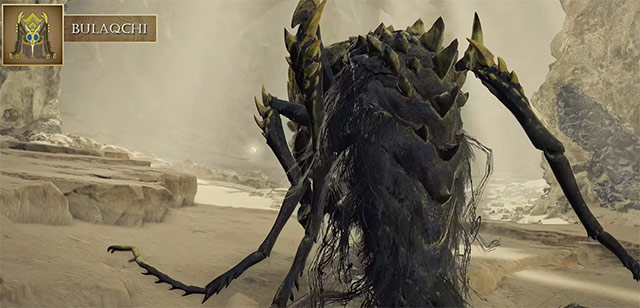
- Region: Windwood Plains (Valley Areas)
- Behavior: Swarming scavengers
- Notable Features: Overgrown neopterans which resemble mosquitoes, Swarm-like grouping, Sound sensitive
They become lazy after a meal and rest on ceilings or walls. When they do this, they tend to drop down without a care to those who are way bigger than them which is the dumbest thing. Explorers who are much larger are far too easy to swat away.
2. Baunos
These creatures prefer to stay out of harms way and scavenge nimble. They are small and will flock to hover and perch along rocks providing them an advantageous position to scout large areas for food.
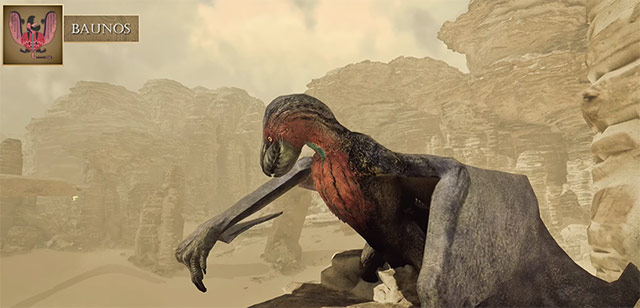
- Region: Windwood Plains (Dusty Dunes)
- Behavior: Flying scavengers
- Notable Features: Small dinosaur-like wind drakes, Scavenge from high areas, Produces screamer pods
Baunos are not helpless. Their feathers located on the thorax possess the ability to generate ominous sound vibrations. These screamers are not just for showing off, hunters use them too! You can capture a Baunos and use the hook lunger to get screamer pods. These pods emit high-frequency sounds that Battles the sensitive monsters may become disrupted sound sensitive pods.
3. Ceratonoth
One of the easiest small monsters to encounter in the grasslands is the ceratonoth. This species of monster is docile and herbivorous; they live in groups and feed on grass while evading predatory threats.
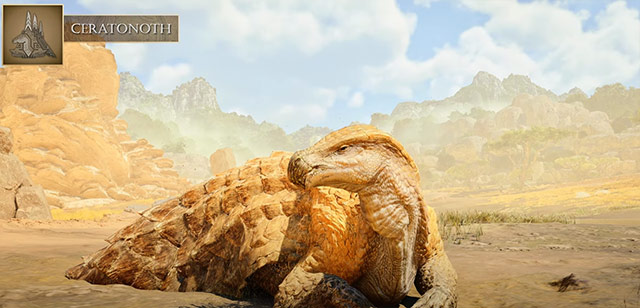
- Region: Grasslands and Windwood Plains
- Behavior: Herding herbivores
- Notable Features: Giant reptilian pangolin like species, Scales and plates covering them as brown, Males fire spines which aid in protection against lightning.
Males are easy to identify. They darker and have grown fatter and larger. Lightning strikes will be conducted through the massive spines along the dorsal of their back. This greatly aids during thunderstorms since it allows the herd to shield them by channeling electricity safely into the ground. During danger, Ceratonoth do not fight but rather flee, guided by the daring men.
4. Dalthydon
Dalthydon creatures are herbivorous creatures with a mix of a bipedal dinosaur and ram. A dalthydon is covered with thick fur and posses a bony, horned crest along with powerful hind legs. These creatures will passively defend their herd but become aggressive to protect calves.
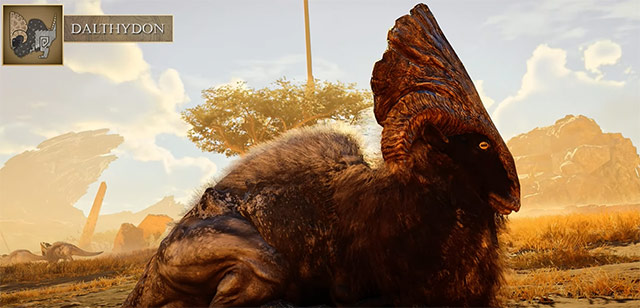
- Appearance: Thick fur, powerful hind legs, and a bony horned crest.
- Behavior: Lives in herds for safety, Migrates between habitats based on climate, Forms defensive formations to protect calves using their cranial plates as shields
- Role in Human Settlements: Domesticated for milk and wool, Used for transporting goods due to their strength.
| Habitat | Behavior | Uses |
|---|---|---|
| Windwood Plains | Defensive in herds | Farming, trade |
| Scarlet Forest | Migratory | Milk, wool |
5. Talioth
Bird wyvern Talioths depict all traits of small, pack-hunting, raptor like creatures with elongated beak jaws full of curved teeth. Wyverns are known for their aggressive behavior. They do not hesitate to attack anyone or anything in their way.
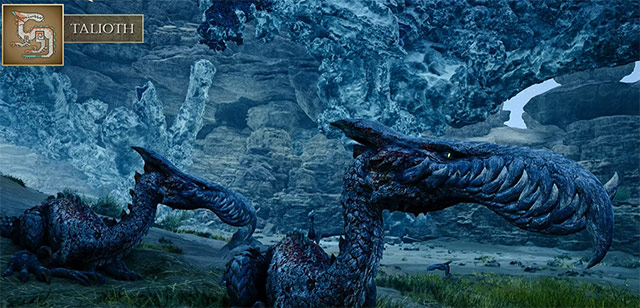
- Appearance: Elongated beak with curved teeth designed to trap prey.
- Behavior: Hunts in packs to overwhelm targets, Hostile to almost anything, including hunters, Known to gang up on larger monsters
- Strategy Tip: Use their aggression to your advantage by luring them into fights with other monsters.
| Habitat | Behavior | Threat Level |
|---|---|---|
| Windwood Plains | Aggressive pack hunters | High |
6. Gajios
A gajios is known to be a leviathan crocodile with unique features such as spiny serrated ridges adorning its body. Gajios exhibits stealthy hunting behavior. They lurk in shallow waters or bask along riverbanks.
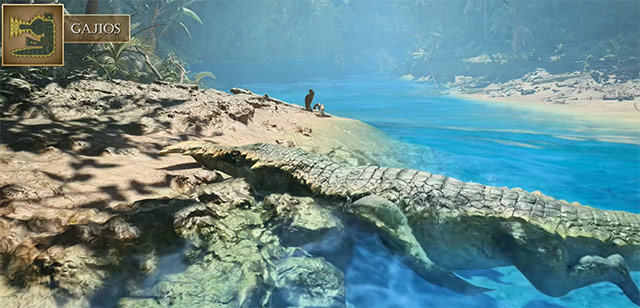
- Appearance: Resembles a crocodile but with spiny ridges along its body and head.
- Behavior: Carnivorous predator lurking in water bodies, Submerges to ambush prey near rivers or pools, Aggressive towards humans if disturbed.
- Combat Tip: Use hooks to tear off its spiky nose spines, which can be crafted into bleeding pods for extra damage against other monsters.
| Habitat | Behavior | Special Feature |
|---|---|---|
| Windwood Plains | Ambush predator | Spiky nose spines |
| Scarlet Forest regions | Sunbathes near rivers | Bleeding pod material |
7. Gelidron
The Gelidron is an amphibian monster dominated by dark, sludgy pits where oil is plentiful. While many may want to describe them as harmless or goofy which predisposes them to a degree of underestimation, they certainly possess a variety of distinguishing features that set them apart from the rest.
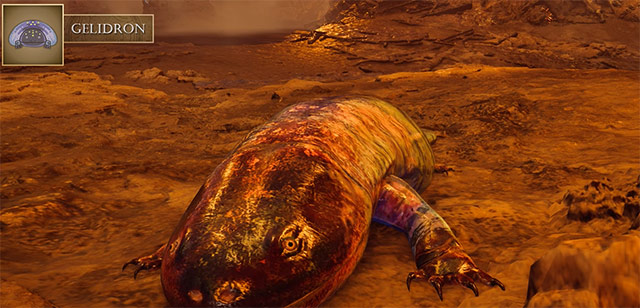
- Appearance: Large salamander-like creature with translucent, slimy skin that helps it survive extreme heat.
- Behavior: Largely docile and slow-moving, Avoids threats by submerging into oil puddles or yawning at predators (ineffectively).
- Vulnerability: A prime target for predators and hunters due to its lack of defense, Highly sought after for its delicious taste by both monsters and humans.
| Habitat | Behavior | Weakness |
|---|---|---|
| Oil Well Basin | Docile and slow-moving | Defenseless |
8. Kranodath
Kranodaths are the ferocious predators of the oil well basin. Kranodath are unique in that they can expand and contract the plates on their skull, turning their heads into deadly hammer-like weapons.
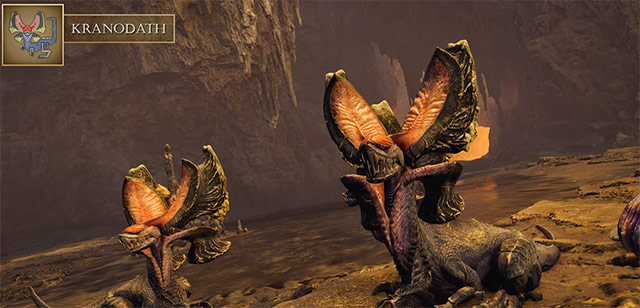
| Trait | Details |
|---|---|
| Habitat | Oil Well Basin |
| Behavior | Aggressive, territorial, hunts in packs |
| Weapon | Expandable skull plates for smashing prey |
| Diet | Carnivorous (targets Gelidrons and others) |
Key Traits:
- Feeds on Gelidrons by clubbing them with skull plates and tearing them apart.
- Highly territorial and hostile toward anything that enters their domain, including humans.
- Known to gang up on larger monsters, showcasing their fearless attitude.
If you encounter Kranodaths, be prepared for an aggressive response. Their bonehead attacks are not to be underestimated!
9. Harpios
Harpios are colorful winged drakes that add more color to MH Wild. Harpios blue and yellow pigmentation makes them easy to spot as they glide gracefully above water bodies searching for smaller creatures to prey on.
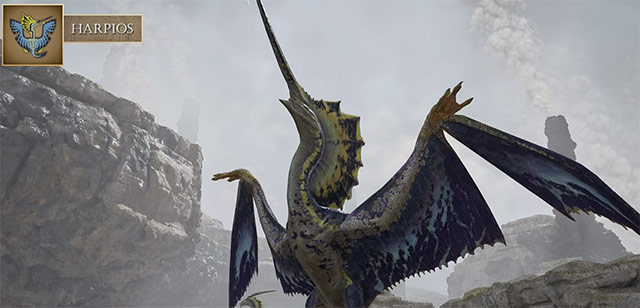
| Trait | Details |
|---|---|
| Habitat | Scarlet Forest and Oil Well Basin |
| Behavior | Peaceful, travels in flocks |
| Weapon | Javelin-like horn (used for hunting fish) |
| Diet | Small fish and aquatic life |
Highlights:
- Harpios are non-hostile toward humans and other monsters, preferring to avoid conflict.
- Their javelin-style horns can be harvested using a hookser for spiky ammunition during hunts.
- They thrive in serene environments, often seen relaxing in flocks near riversides.
While they may seem harmless, their horns can be a valuable resource for hunters looking for an edge against tougher monsters.
10. Conga
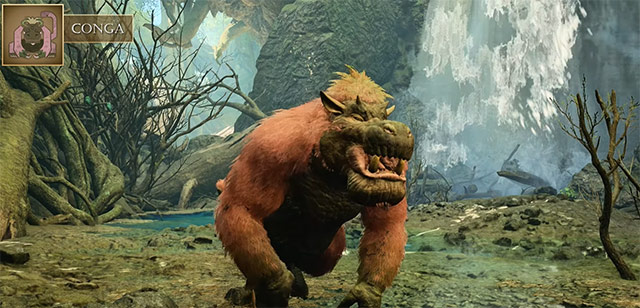
If you have come across Congalala before, then you will have no trouble recognizing Conga. These hippo-similar creatures, pink and furry, Conga is found in the Scarlet Forest which is the habitat of pink, furred Congangalas, who are lesser versions of Congalala.
Key Features:
- Appearance: Pink fur, resembling a mix of a hippo and a monkey.
- Behavior: Lives in small, social packs (usually females and juveniles), Occasionally accompanied by adult male Congalalas, though they don't rely on them for protection, Hostile towards intruders with arm swipes, belly flops, and even flatulence attacks.
- Combat Tips: Keep your distance to avoid their close-range attacks, Be prepared for their unpredictable movements and group tactics.
| Habitat | Behavior | Weakness |
|---|---|---|
| Scarlet Forest | Social, pack-oriented | Ranged weapons |
Be cautious when approaching packs; they rely on group defense. Use ranged attacks to avoid their physical assaults and unpleasant gas attacks.
11. Vespoid
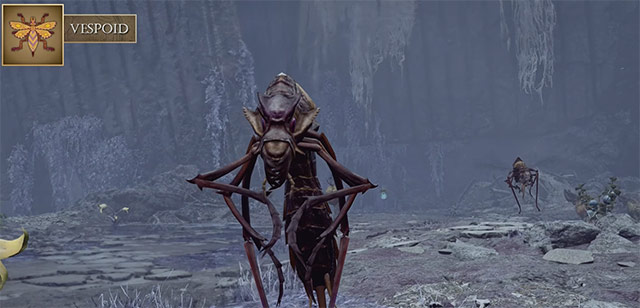
If not annoying, Vespoids can be referred to as annoying flying monsters—everybody remembers them from previous games, dont they. These oversized wasps are found all over the Forbidden Land and adapt to different regions like other bugs.
Key Features:
- Habitat: Forbidden Lands (varied climates)
- Behavior: Hostile towards humans and other monsters
- Abilities: Paralyzing poison stingers, Attracted to glowing targets such as bright moss
| Habitat | Behavior | Weakness |
|---|---|---|
| Forbidden Lands | Swarming, poisonous stings | Poison smoke, light attacks |
Avoid using powerful attacks as their fragile bodies explode easily. Use stones, poison smoke, or weaker weapons to kill them without damaging their carcasses.
12. Piragill
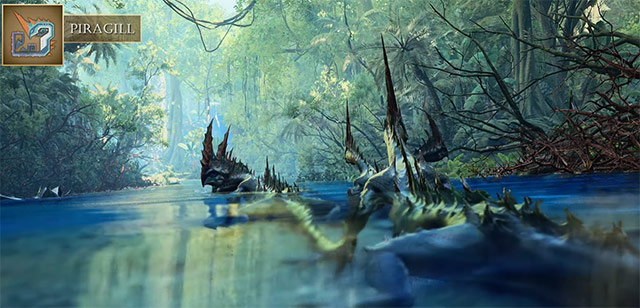
Apart from the blue skinned monsters with orange barbed spines-the piranha serpents, The Scarlet Forest also has the sleek blue lizard like Piragills. These water-associated organisms can swiftly attack in tactical groups as they are rightly called.
Key Features:
- Appearance: Skinny blue leviathan with orange backspines.
- Behavior: Found in shallow waters of streams, rivers, and pools; Travels in packs and attacks only when confident in numbers; Uses its spiny horns to jab enemies during coordinated attacks; Moves faster in water thanks to its serpentine body and spine-like fins.
- Combat Tips: Avoid being surrounded by the pack; isolate individual Piragills when possible; Use ranged or water-resistant gear to counter their speed in aquatic environments.
| Habitat | Behavior | Weakness |
|---|---|---|
| Scarlet Forest | Pack-oriented, aquatic | Fire-based attacks |
Avoid being surrounded; keep them at a distance. Use ranged attacks or area-of-effect moves to disrupt their pack coordination.
13. Nerscylla Hatchling
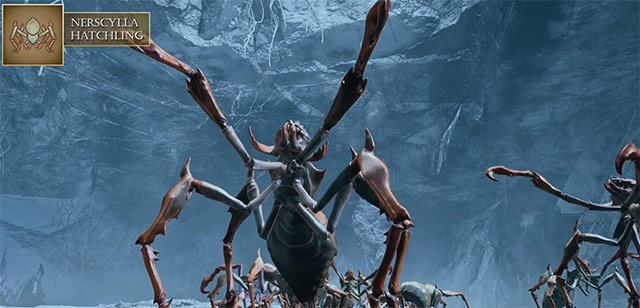
Nerscylla Hatchling can be termed the weaker version of the Nerscylla, Forbiddens's Nerscylla's offspring. These small spiders are referred to as weaker, because of their small size and having not matured yet. Typically, Nerscylla hatchlings are found in icy caves.
Key Features:
- Appearance: White and orange coloration without the gypsaros skin of adults.
- Behavior: Found in large swarms; Bite at ankles to distract hunters; Rely on adult Nerscylla for protection.
- Weaknesses: Lack poison spikes and significant damage potential.
Use area-of-effect attacks to clear swarms quickly. Focus on avoiding their distraction tactics while dealing with larger threats.
14. Comaqchi
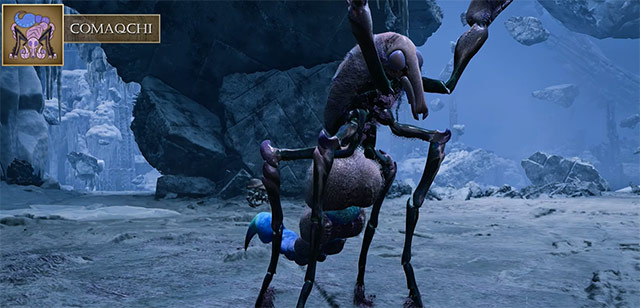
Living in colonies on Shard Cliffs, these giant pink weevil like creatures are known for their ambush work thus categorized under Ice Shard Ferries as Comaqchi.
Key Features:
- Appearance: Large pink bugs with tail stingers and boxing glove-like claws.
- Behavior: Prefer walls for ambushes; Slow-moving but precise in attacks; Use tail stingers to inject sleeping agents, paralyzing prey.
- Attack Style: Mantis shrimp-like punches aimed at disorienting targets.
Avoid getting too close; their paralysis can make you vulnerable. Use ranged weapons or bait them into open areas for easier targeting.
15. Blango
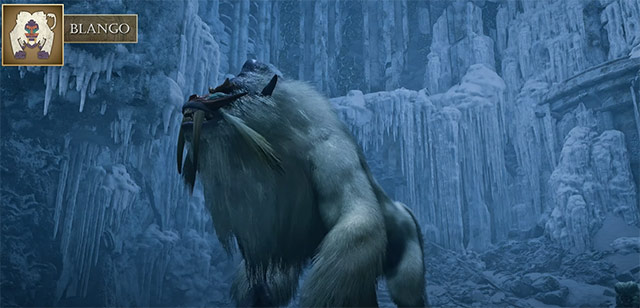
The small monkey creatures, Blangos are known to be found in grans of packs. As one of the Blanger assumes leader status, they all follow orders obediently even though they might be left unattended for too long.
Key Features:
- Appearance: White pelts and mandrill-like faces, resembling smaller versions of Blangers.
- Behavior: Act as henchmen for larger Blangers; Capable of ice-based attacks like frost blooms and ice ball projectiles; Vulnerable when alone but dangerous in groups.
Prioritize taking out Blangos before dealing with Blangers.Use dung pods to scatter them and reduce group coordination.
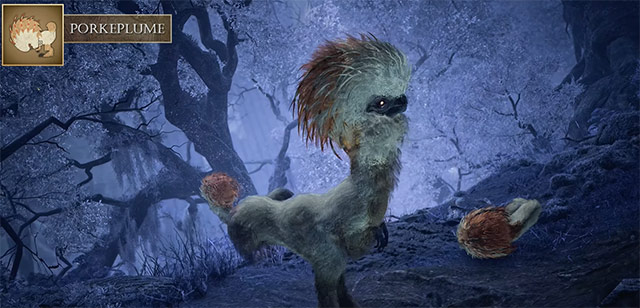
16. Porkeplume
The bird wyvern hybrid, Porkeplume reveals itself as a strange entity which serves to be elusive and dangerous. However, a form featuring charm and danger.
| Trait | Details |
|---|---|
| Appearance | Fluffy bird-like creature with an afro of sharp, spiky needles. |
| Habitat | Found roaming in small flocks around the ruins of Waria. |
| Behavior | Timid but capable of charging attackers by puffing out its spiky bristles. |
| Combat Use | Spiky needles can be converted into bleeding pods for slinger ammunition. |
Key Highlights:
- Porkeplumes are generally shy and will retreat after one brave member attacks.
- Their bleeding pods deal decent damage when used against other monsters.
- Avoid provoking an entire flock unless you're prepared for a prickly encounter!
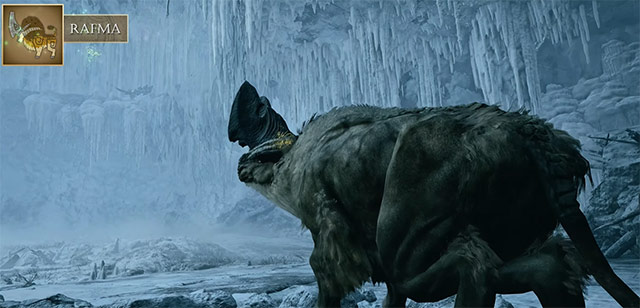
17. Rafma
A deadly striking creature in form of a majestic herbivore, Rafma is perfectly adapted to cold climates, a seeming dainty beauty that packs a shocking punch.
| Trait | Details |
|---|---|
| Appearance | Thick fur for warmth, big horns, and vibrant orange pelt with black markings (alpha) |
| Habitat | Found in colder regions like the Ice Shard Cliffs |
| Behavior | Moves in herds led by an aggressive alpha |
| Combat Use | Horns can be salvaged for paralytic ammo to stun enemies |
Key Highlights:
- Alphas are larger, more colorful, and highly aggressive when protecting their herd.
- Rafmas' horns discharge static electricity during attacks, stunning opponents.
- Use their environment-adapted agility to your advantage—they can climb steep cliffs effortlessly.
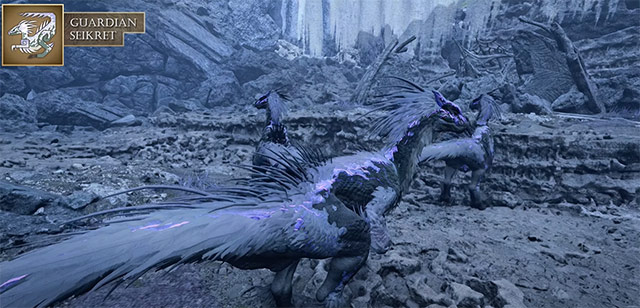
18. Guardian Seikret
Guardian Seikret are classified as bird wyverns and possess a dual nature as a faithful companion or a deadly enemy. Even more wicked are the construct variants, which add an even more sinister twist.
| Trait | Details |
|---|---|
| Appearance | Raptor-like creatures; construct variants glow ominously with purple energy |
| Habitat | Found in the ruins of Wiveria |
| Behavior | Aggressive, capable of coordinated ambushes and explosive attacks |
| Combat Use | Can overwhelm enemies with group tactics and energy-based strikes |
Key Highlights:
- Guardian Seikrets raised by humans are loyal mounts that make navigation easier.
- Construct variants are hostile and attack with sharp claws, bites, and mini-explosions.
- They can summon reinforcements, creating chaotic battles if not dealt with quickly.
Every little monster in Monster Hunter Wilds has something new to offer and so does the Porkeplume, spikey defenses, and Rafma with shocking attacks. The chaotic ambushes of the Guardian Seikret and the rest also require learners to understand them properly in order to make the most out of this world. Use this guide for your advantage and turn these creatures' strengths into your weaknesses during your hunts!
Most Popular Posts
- MH Wilds Artian Weapons Guide: Materials, Craft and Upgrades
- Monster Hunter Wilds Bow Builds: Mastering the Dragon Piercer Build Guides
- MH Wilds: All Weapons Tier List & Ranking | Speedrun Clear Time
- MH Wilds New Endgame Builds: Zoh Shia Armor Set
- Monster Hunter Wilds Best Endgame Angelbein Bow Build Guides
- How to Obtain Rare Monster Hunter Wilds Commission Tickets?
Popular Category Lists
- ARC Raiders / (354)
- Grow a Garden / (294)
- CoD: Black Ops 7 / (167)
- Star Citizen / (163)
- MLB 26 / (159)
- Monopoly Go / (153)
- ARK Survival Ascended / (128)
- Steal a Brainrot / (99)
- Blox Fruits / (74)
- Adopt Me / (74)
- Forza Horizon 6 / (72)
- Sailor Piece / (68)
- Grow a Garden 2 / (68)
- Diablo IV / (62)
- CoD: BLACK OPS 6 / (55)
- Aion 2 / (52)
- Path of Exile 2 / (48)
- Monster Hunter Wilds / (46)
- Windrose / (44)
- COD: Modern Warfare 4 / (43)